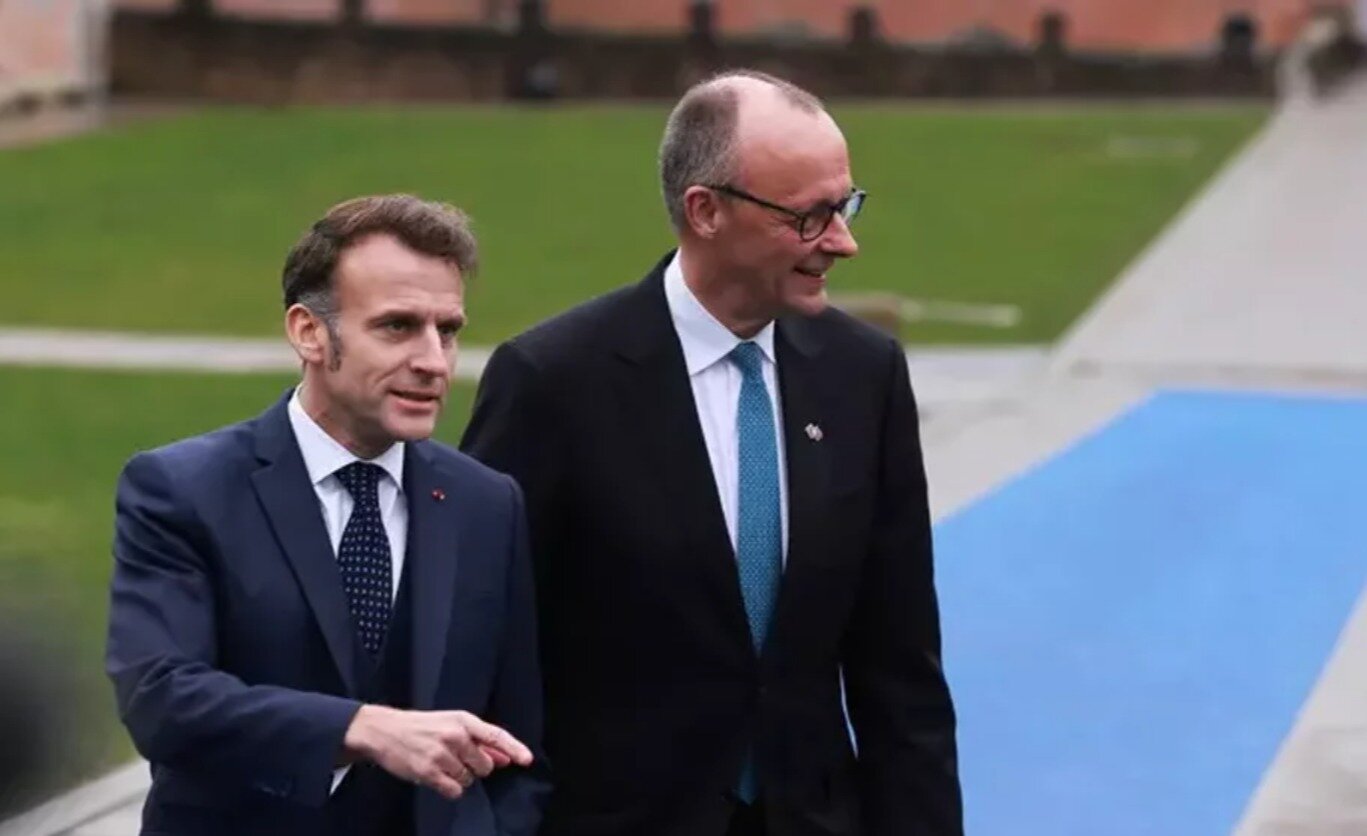



A due anni dall'invasione russa in Ucraina, il presidente francese Macron ha riunito lunedi 27 febbraio all'Eliseo in una conferenza dei Paesi alleati per il sostegno all'Ucraina con oltre venti leader occidentali.
Tra i partecipanti alla conferenza a Parigi il cancelliere tedesco Scholz, il premier spagnolo Sanchez, il ministro degli esteri britannico Cameron, i rappresentanti di Canada, Polonia e Stati Uniti e, per l'Italia, il viceministro degli esteri.
Davanti a più di venti capi di stato e di governo, il presidente della Repubblica francese ha sottolineato che "oggi è in gioco la sicurezza di noi tutti. Abbiamo visto, soprattutto negli ultimi mesi, un inasprimento della Russia", manifestatosi anche con la morte dell'oppositore del Cremlino Alexei Navalny.
"Siamo senza dubbio in un momento nel quale è necessario un rilancio da parte di tutti", ha affermato Macron, aggiungendo che ciò implica decisioni forti per fare di più a sostegno di Kiev contro la Russia.
Da Kiev ha partecipato al collegamento video della conferenza, il presidente ucraino Zelensky che ha espresso gratitudine per l'Unione europea ma ha voluto rimarcare con gli stessi alleati riuniti a Parigi che "dei milioni di proiettili che l'Unione europea ci ha promesso, purtroppo non è arrivato il 50 per cento, ma il 30". Zelensky ha ricordato la vittoria contro la Russia dipende dall'Occidente.
Macron: non escludo l'ipotesi di un invio di truppe occidentali a sostegno di Kiev
Nel riaffermare l'impegno della Francia nei confronti di Kiev, al termine della conferenza a Parigi, Macron in conferenza stampa si è spinto a dichiarare: “Oggi non c'è consenso sull'invio di truppe di terra in modo ufficiale, scontato e approvato. Ma nella dinamica non è da escludere nulla. Faremo tutto il necessario affinché la Russia non possa vincere questa guerra”
L'invio di truppe occidentali sul terreno in Ucraina non dovrebbe "essere escluso" nonostante in questa fase non ci sia consenso riguardo all'ipotesi:
Le reazioni all'ipotesi di invio di truppe occidentali
L'ipotesi di nvio di truppe trova la ferma opposizione di Paesi come Stati Uniti, Germania e anche Italia, oltre a quella del segretario generale della Nato, Jens Stoltenberg. Con la Russia che ha avvertito: “Se così fosse, la guerra sarebbe inevitabile“.
Olaf Scholz, pur presente a Parigi, ha sposato la linea americana, garantendo che “nessun soldato” sarà inviato in Ucraina da Paesi europei o della Nato: “Ciò che è stato deciso tra noi fin dall’inizio continua ad essere valido per il futuro, non ci saranno truppe sul terreno, né soldati inviati dagli Stati europei o dagli Stati della Nato sul suolo ucraino”
L’Unione europea, dal canto suo, tiene a precisare che se un invio di truppe dovesse concretizzarsi, questo non è stato deciso a Bruxelles: “Siamo a conoscenza delle dichiarazioni pubbliche di alcuni Stati membri secondo cui si potrebbe considerare l’invio di truppe di terra in Ucraina – ha detto il portavoce Ue per la politica estera Peter Stano – Questo non è stato discusso a livello Ue. Le politiche Ue nelle conclusioni del Consiglio europeo parlano molto chiaramente. L’Ue è impegnata a sostenere l’Ucraina e farà tutto il possibile. Quanto alla forma e al modo dei contributi nazionali sono una prerogativa della sovranità e della competenza di ciascuno Stato membro”.
staff @europolitiche.it