


di Alessandro Mauriello
Nella crisi pandemica che abbiamo attraversato, abbiamo imparato ad aver bisogno di un cambiamento radicale. Oggi siamo di fronte a un quadro sociale completamente diverso, paradossalmente dopo anni di intenso dibattito sulla disintermediazione, si ha di nuovo consapevolezza e convinzione che l’intermediazione sociale (la Rappresentanza) faccia coesione sociale, nei territori fino al geopolitico dei sistemi globali, con imperativo morale di ricostruire il filo della politica per un nuovo modello di sviluppo. Il filo dell’alta politica che inerisce alle nuove disuguaglianze, alla coesione sociale, alla mobilità sociale. Su tutto ciò il professore Salvatore Veca ci dà una strada che “prova a risolvere la crisi del sapere contemporaneo ” (1) in due modi :
1) producendo proposte che siano fortemente in dialogo e in conflitto tra loro;
2) seguendo la lezione di Isaiah Berli: “Pensare la società perfetta e pensarla con un catechismo dato, non aperto a contraddizioni, è stato ed è responsabile di un numero impressionante di catastrofi politiche/ morali.
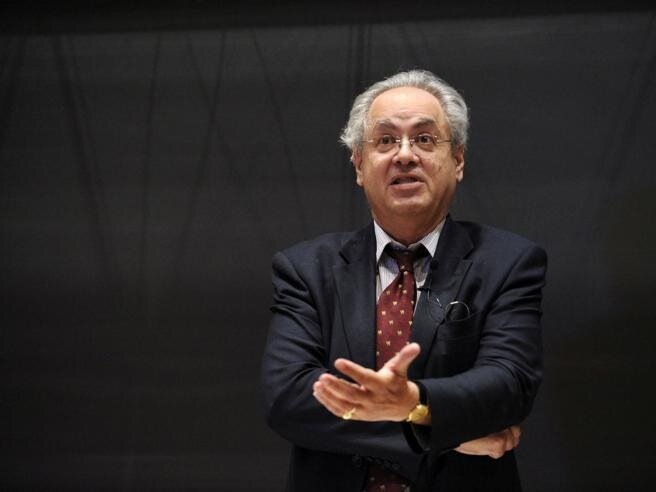
Partendo dal lavoro del filosofo politico recentemente scomparso, daremo ipotesi di lavoro sui vari temi trattati in esordio del testo Qualcosa di Sinistra. Veca è stato uno dei pensatori più influenti nel dibattito filosofico-politico italiano contemporaneo, senza mai sottrarsi, lui accademico di chiara fama mondiale, all'impegno civile. Allievo di Ludovico Geymonat ed Enzo Paci, emerito per molteplici anni presso lo IUSS di Padova, componente e fondatore del Centro di Ricerca Politeia, è stato presidente della Fondazione Feltrinelli. Autore di saggi ormai celebri, a Veca è da ascrivere una tra le più feconde scuole di filosofia politica italiane, sebbene il suo eclettismo intellettuale non era incline a riconoscerne i confini, dipanatasi dagli anni settanta ed ottanta fino al secondo decennio del ventunesimo secolo. Una fama riconosciuta da una sterminata letteratura internazionale sulle sue opere e sull'influenza della sua riflessione.
L'opera filosofica di Veca ha un suo aspetto particolare, sia pure essenziale a d avviso di chi scrive, ovvero l’essere tale opera sempre anche rivolta a costituire un’offerta per la cultura politica della sinistra italiana. Tale aspetto è più evidente in alcuni scritti come Cittadinanza (1990), Dizionario minimo (2009), Non c’è alternativa. Falso! (2014) e Il senso della possibilità (2018).
"Qualcosa di Sinistra" secondo Veca.
Parliamo di uno degli ultimi saggi del celebre pensatore ed accademico milanese, uscito nel 2019 (2), nel quale Veca apre, da par suo, una riflessione sulla Sinistra Europea/Globale, con sorprendente capacità di aggiornamento, nonostante l'età ormai avanzata, sulle problematiche del nuovo secolo. Il tema sempre in agenda prioritaria in filosofia politica e di cogente attualità in questa primavera del 2024, essendosi svolto a Roma il Congresso del partito socialista europeo con la nomina a candidato presidente per la Commissione europea di Nicolas Schmit.
Il testo di Veca ha una struttura articolata, con molteplici sviluppi sul versante dei contenuti e dei modelli descrittivi, teso ad un processo di elaborazione aperto sulla politica in senso generale, e sulla Politica progressista. E' un saggio per ragionare insieme, sui vari temi come “l’indifferenza ai tempi della grande regressione delle cosiddette democrazie illiberali, delle crescenti disuguaglianze ingiustificabili entro la società”. Veca ridisegna una “visione dei fini” con un nuovo pensiero critico, e uno sviluppo umano come libertà delle persone, come immaginato da Amartya Sen (3), economista, filosofo e Premio Nobel, legatissimo a Veca sia per armonie intellettuali che per legami umani. Per il filosofo è necessario assumere la condizione soglia della legittimità dei fondamentali democratici dei sistemi politico istituzionali, anche da parti di famiglie politiche conservatrici in linea con il pluralismo politico, e rispettando la linea di riflessione di Veca sull‘assioma che la stella polare sia l’articolo 3 della nostra Carta Fondamentale primo comma che recita: “Tutti i cittadini hanno pari dignità sociale, e sono uguali davanti alla legge, senza distinzione di sesso, di razza, di lingua, di religione, di opinioni politiche, di condizioni personali e sociali”. Con il secondo comma dello stesso articolo, si rafforza il ragionamento teorico di prospettiva del filosofo politico romano: “E ’ compito della Repubblica rimuovere gli ostacoli di ordine economico e sociale, che limitando di fatto la libertà e l’uguaglianza dei cittadini, impediscono il pieno sviluppo della persona umana e l’effettiva partecipazione di tutti i lavoratori all’organizzazione politica, economica, e sociale del Paese”.
Nel saggio, Veca propone una interpretazione progressista dell’articolo suddetto, con una forte connessione agli obiettivi di sviluppo sostenibile dell’Agenda 2030 dell’Onu, declinata da ASVIS nel nostro paese con l’azione dello statistico Enrico Giovannini.
Su Agenda 2030 Salvatore Veca promosse nel 2013 in veste di presidente della Fondazione Gian Giacomo Feltrinelli oltre alle edizioni degli Annali, per EXPO il Laboratorio sulla sostenibilità, un confronto multidisciplinare tra ricercatori e 135 centri di ricerca di tutto il mondo, per analizzare il rapporto tra nutrizione, produzione, e distribuzione. Con una forte connessione alle realtà urbane e rurali, incontrando le idee di Jeffrey Sachs, già direttore dell’Earth Institute della Columbia University, Special Advisor dell’ONU, nonché consulente per le questioni ambientali di Papa Bergoglio. come noto, l’impianto generale di Agenda 2030, disegna un progresso sociale multidimensionale, il quale ha tre elementi fondanti: la Giustizia sociale e inclusione, lo Sviluppo umano come libertà e la Globalizzazione dei diritti e dell’equità sociale.
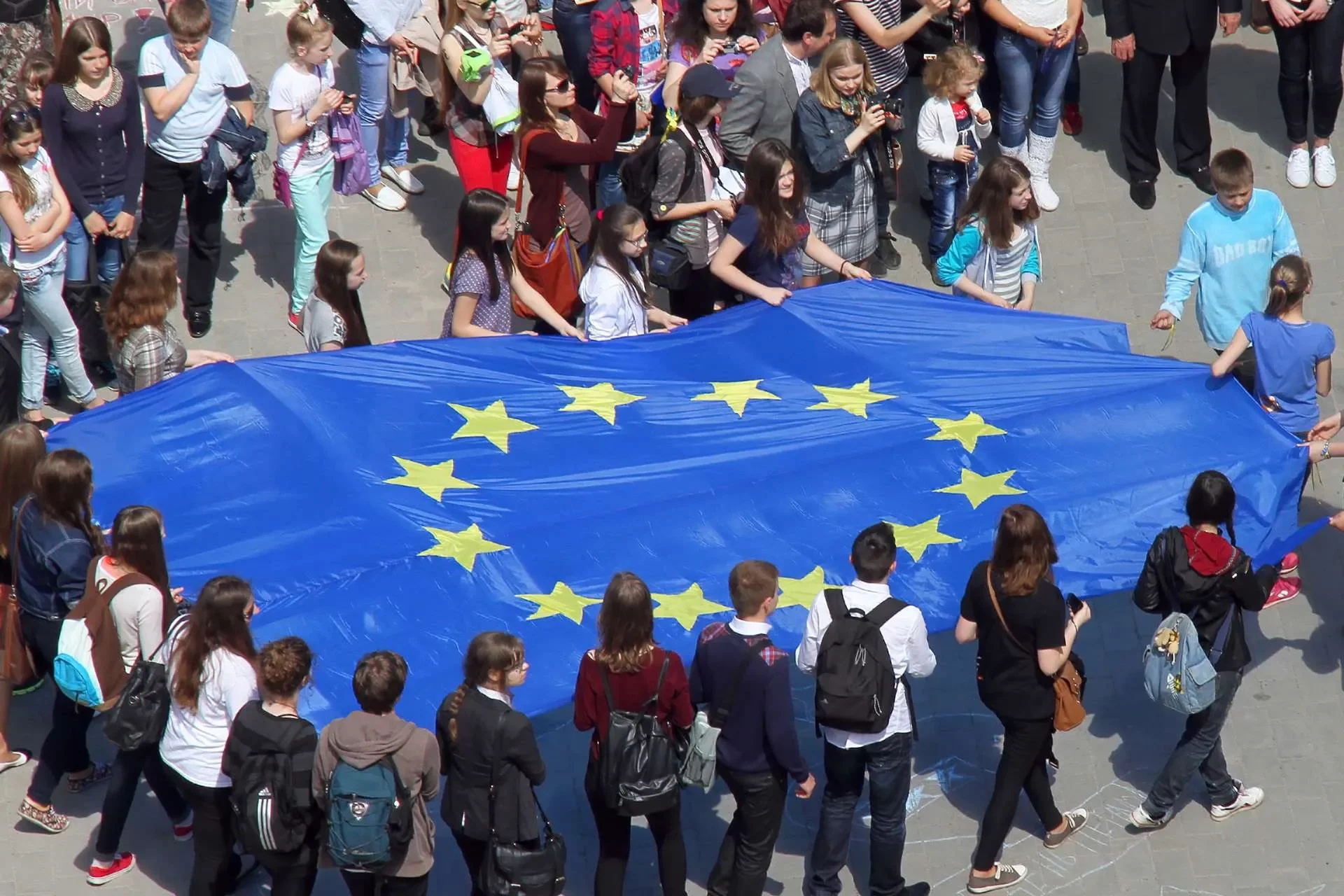
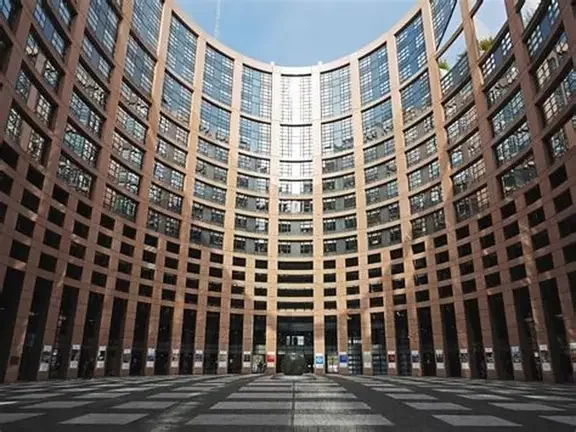
La proposta generale di Veca s'innerva nel lessico europeo di una Unione europea in crisi, ma indispensabile per raggiungere gli obiettivi prefissati di sostenibilità, e ideali democratici di dignità umana. Veca si pone il problema di come come declinare nei modelli politici tale prospettiva e propone il “modello di consenso per intersezione” del filosofo John Rawls, autore del celebre “Teoria della Giustizia” (4) (5): “I processi deliberativi nascono dal conflitto di prospettive alternative sulle visioni del mondo, su questo sfondo si iscrivono poi le scelte collettive, e di seguito le policies pubbliche. Quando in una democrazia costituzionale un pluralismo politico o di altro tipo, confliggente o meno sulle vaie dottrine, ma queste aderiscono alla comune lealtà civile, nella quale tutti i soggetti protagonisti della polis, aderiscono alla proposta di valore. pur da ragioni distintte. Il valore della convivenza, delle istituzioni, delle pratiche sociali, da qui nasce la teoria dell’ overlapping consensus”.
In definitiva il messaggio di Veca per la sinistra del XXI secolo è quello riguarda una “idea elementare alla base di una cultura politica del socialismo liberale e democratico” dopo “il secolo socialdemocratico”, un’idea che deve riguardare un messaggio che non si chiude nel perimetro nazionale, ma che riguarda la “gran città” del genere umano e un criterio globale di equità: l’idea “dello sviluppo umano come libertà”.
La scomparsa di Veca ha lasciato un vuoto nel dibattito italiano ed internazionale di cultura politica che in molti ritengono incolmabile. In particolare , molti intellettuali che hanno condiviso con il professore milanese anni fecondi di confronto diretto e di affinità elettive, ci hanno regalato pagine e pagine di ricordi. Tra i tanti, memorabile è l'incipit commemorativo di Michele Salvati in un recente articolo: “Più passa il tempo, più la mancanza di Salvatore Veca si fa sentire. Il mondo è guasto – Guasto è il mondo venne titolato in italiano un bellissimo saggio di Tony Judt, scritto prima del Covid e della guerra in Ucraina – e ancor più guasto è oggi. Per non essere sopraffatti dallo sconforto, abbiamo oggi bisogno di persone sagge che ci aiutino a riflettere, e Salvatore era una di queste.”
(1) - Besussi A. , Galeotti A. E. (cur.) , Ragione, giustizia, filosofia. Scritti in onore di Salvatore Veca, Milano, Feltrinelli, 2013.
(2) - Veca S., Qualcosa di sinistra, Milano, Feltrinelli, aprile 2019.
(3) - Sen, A., Development as Freedom, New York: Oxford University Press, 1999.
(4) - Rawls J., A Theory of Justice, Cambridge, Massachusetts: Belknap Press of Harvard University Press, (trad it. Teoria della giustizia; a cura di Maffettone S., Trad. di Santini U., Milano: Feltrinelli, 1982).
(5) - E' stato proprio Veca a introdurre nella cultura filosofica italiana la discussione sulle teorie della giustizia di Rawls con il volume La società giusta (Milano: il Saggiatore 1982, 1988 2^ ed., 2010 3^ ed. ampliata) e ad aver elaborato e sviluppato la sua prospettiva teorica in Questioni di giustizia (Parma: Pratiche 1985) e Una filosofia pubblica (Milano: Feltrinelli 1986, 1987 2^ ed.). Di recente studi coerenti con l'approccio di Veca a Rawls sono stati riproposti da Sebastiano Maffettone ( Rawls: un'introduzione, Laterza, 2010.2019, Rawls, Polity Press, 2010.) considerato sulle teorie normative, l'erede morale del pensiero di Veca.