


EU/ENG - Donald Trump's announcement of his 28-point peace plan for Ukraine has prompted European Union leaders and institutional leaders to proceed cautiously. Trump gave Zelensky little time to accept it, de facto until Thursday, November 27. The plan calls for Ukraine's permanent withdrawal from NATO and a non-aggression pact between Kiev, Russia, and Europe, the transfer of Donbass to Russia, and the reduction of the Ukrainian army to 600,000 troops. Putin cautiously welcomed the US proposal to end the war in Ukraine, stating that "it could form the basis of a final peace agreement."
European capitals are watching closely: on the one hand, the need to avoid accepting excessive concessions that could weaken Kiev or reduce Europe's role in the negotiations, and on the other, the prudent stance of maintaining a common line with Trump.
From Johannesburg, on the eve of the G20 summit, European Commission President Ursula von der Leyen emphasized Europe's support for Ukraine. "It is important to maintain a key principle we have always supported: nothing on Ukraine without Ukraine." Von der Leyen recalled that the EU has worked intensively with Kiev to achieve a "just and lasting" peace. "The process is ongoing," she explained, "and we will discuss the situation with both European leaders and those present here at the G20."
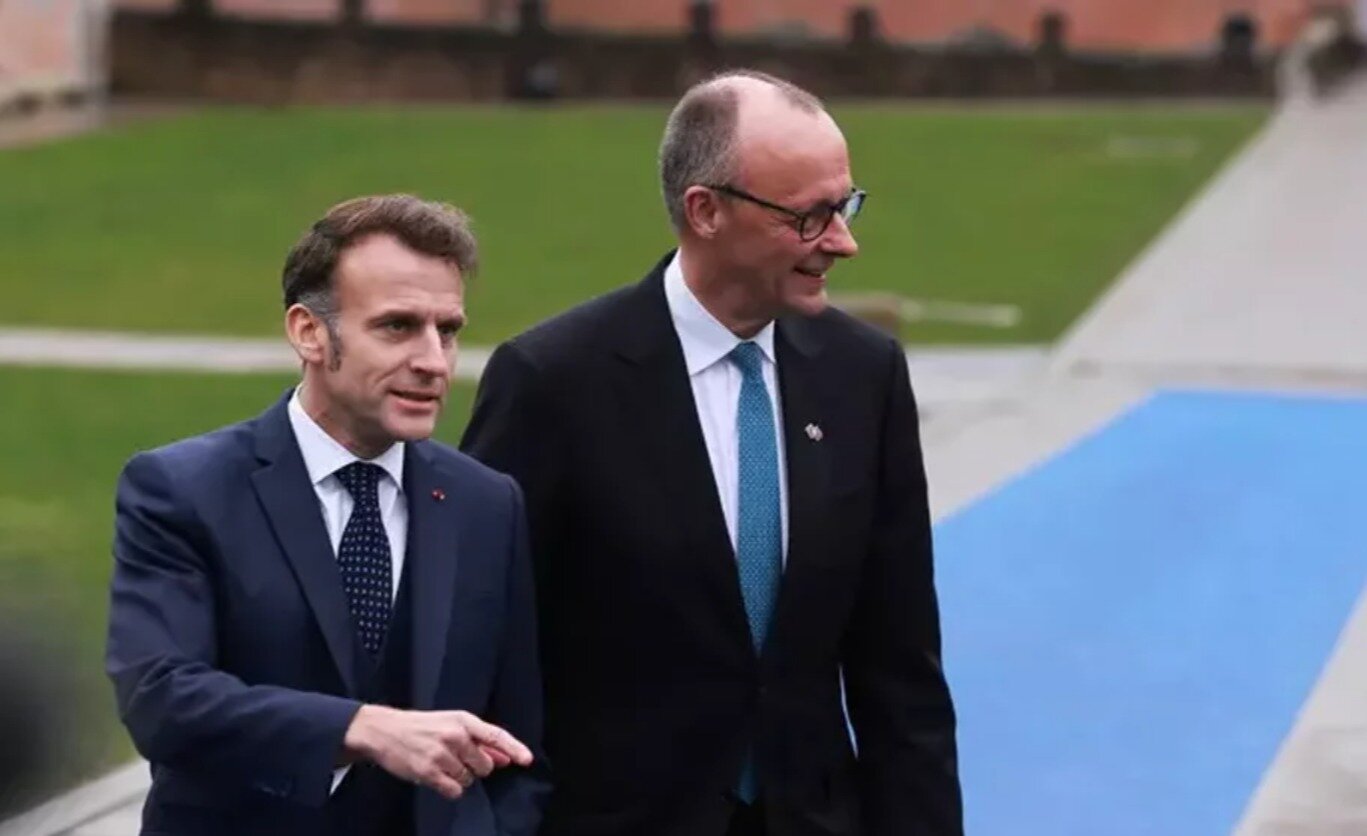
Contacts regarding Ukraine's fate and support have intensified between Merz, Macron, and Starmer, the main protagonists of the Coalition of the Willing. Zelensky has remained in close contact with both the European People of the Willing and high-level White House emissaries. He subsequently appeared in a video and delivered a dramatic speech to the country, with the customary proud tone that has distinguished him since the Russian aggression. Zelensky also made a call for realism, suggesting that developments with respect to a possible end to hostilities with the aggressors are less uncertain than in the past.
EU/ITA - L'annuncio di Donald Trump del piano di pace in 28 punti per l'Ucraina ha indotto i vertici istituzionali e i leader dei Paesi dell'Unione europea a muoversi con cautela. Poco il tempo concesso da Trump a Zelensky per accettare, de facto fino a giovedi 27 novembre. Il piano prevede la rinuncia per sempre dell'Ucraina alla Nato e un patto di non aggressione tra Kiev, la Russia e l'Europa, la cessione del Donbass alla Russia e la riduzione dell'esercito ucraino a 600.000 unità. Putin ha accolto con cautela la proposta degli Stati Uniti per porre fine alla guerra in Ucraina, affermando che "potrebbe costituire la base di un accordo di pace definitivo".
Le capitali europee osservano con attenzione: da un lato la necessità di non accettare concessioni eccessive che possano indebolire Kiev o ridurre il ruolo europeo nei negoziati, dall'altro la prudente postura nel mantenere una linea comune con Trump.
Da Johannesburg, alla vigilia del vertice del G20, la presidente della Commissione europea Ursula von der Leyen ha sottolineare il sostegno europeo all'Ucraina. "È importante mantenere un principio chiave che abbiamo sempre sostenuto: niente sull'Ucraina senza Ucraina". Von der Leyen ha ricordato che l'Ue ha lavorato intensamente con Kiev per arrivare a una pace "giusta e duratura". "Il processo è in corso - ha spiegato - e discuteremo della situazione sia con i leader europei sia con quelli presenti qui al G20".
Sul destino e il sostegno dell'Ucraina, si sono intensificati i contatti tra Merz, Macron e Starmer, principali protagonisti della Coalizione dei Volenterosi. Zelensky è rimasto in stretto contatto sia con i Volenterosi europei che con emissari di alto livello della Casa Bianca. E' quindi apparso in un video e ha tenuto un discorso dai toni drammatici al Paese, con il consueto piglio orgoglioso che lo contraddistingue sin dall'aggressione russa. Non è mancato, da parte di Zelensky, un richiamo al realismo che lascia presagire sviluppi meno incerti del passato rispetto ad una possibile fine delle ostilità con gli aggressori.
Analisti associati @europolitiche.it*
* This contribution is not a journalistic article but an analytical brief - Questo contributo non è un articolo giornalistico ma un brief analitico