
facebook
instagram
twitter
linkedin
X
europolitiche

Sign up now to

europolitiche3

Newsletter

europolitiche

Cross-media in Italian on the policies of European institutions and governments of European Union countries

Cross-media in Italian on the policies of European institutions and governments of European Union countries

Europolitiche lancia "Discovering the Balkans", il nuovo progetto finanziato Erasmus+Candidati nella redazione giovanile di Europolitiche all'Europa Project Week!Collina d'Europa: aiutaci a far crescere la nuova bibioteca / Help us build our new libraryTaming the Algorithm: How the AI Act’s New Rules Test the Limits of European DemocracyJuly Flash Inflation Rises to 2.9% in the EurozoneThe Night of Ceuta and the Labyrinth of Borders: When Humanity Questions Spain and EUMigrant Inclusion: Erasmus+ Youth Seminar Held in StrasbourgMerz Eyes Fresh Impulsion for Government with Late-July ReshuffleThe New Burnham Government: A Political Analysis of "Place-Based" Social DemocracyEurozone Monetary Policy: ECB Freezes Rates Pending Fall Energy ImpactEurostat: Eurozone Inflation Moderates to 2.8% in June. Keeping the ECB in the SpotlightMacron and Merz: Realignment at the 26th Franco-German CouncilThe Ascent of Andy Burnham: From Manchester to Downing StreetThe Eurogroup presented its work programme through the first half of next yearEuropean Parliament Backs Digital Euro: 416 Votes in Favor Secure the Path to 2029 ImplementationThe Florence Report: Buti, Corsetti, Peychev Reconfiguring EU in a Fractured Global WorldThe Strategic Shift: Why the June 18th Declaration Redefines European Cultural PolicyVoices of Vision: Lessons from the Founders of EuropeThe Parliamentary Mandate as Compass: Embedding Expertise in European Strategic GovernanceThe NATO Alliance’s Shifting Center of Gravity: Perspectives on the Ankara SummitThe Custodian’s Mandate: Dublin’s Strategic Course for the UnionLa France, Paris et Emmanuel Grégoire: trois mois de mandat sous le signe de la continuité évolutiveInternational Erasmus+ Seminar in Tunisia: Building Partnerships for Stronger Youth ParticipationThe Digital Euro at a Crossroads: Assessing the ECON Committee’s Roadmap to 2029The Institutional Architecture of European Political Science: A Comparative StudyThe European Political Periodical: A Metamorphosis in the Digital AgeAntibes, 25 juin: L'Italie et la France au sommet sous l'égide du Traité du QuirinaleEyes on the E5: Coordinating European Security in a Changing Strategic LandscapeThe Berlin Laboratory: Political Stability and Governance in the Heart of GermanyThe Brexit Decade: The United Kingdom Ten Years After the "Leave" VoteThe London Transition: European Geopolitics and the Shadow of a New Labour ModelThe Manchester Pivot: Andy Burnham and the Reshaping of British LabourThe Transition of UK Government: Starmer Steps Down, Burnham Steps UpReclaiming the Intellectual: A Review of Graziella Falconi’s Latest BookYves Lacoste (1929–2026): Adieu au géographe qui a révélé la géopolitique du pouvoir
europolitiche

European leaders reacted cautiously to the US attack on Venezuela

04-01-2026 09:14

Europolitiche

Europolitiche, Macro/Scenari, von-der-leyen, kaja-kallas, attacco-usa-al-venezuela, sabato-3-gennaio, attacco-usa-a-caracas-catturato-maduro-dagli-stati-uniti-, reazioni-in-europa-e-nellunione-europea, francia-germania-italia-spagna-polonia-e-regno-unito-reagiscono-allattacco-al-venezuela-di-trump, the-capture-of-venezuelan-president-nicolas-maduro-by-us-forces-in-caracas-announced-by-us-president, explosions-that-struck-the-venezuelan-capital-on-the-night-of-saturday-january-3-has-sparked-a-wave-,

European leaders reacted cautiously to the US attack on Venezuela

Da vertici UE e capitali europee cautela, appelli a moderazione e mediazione dopo il blitz Usa a Caracas nella notte del 3 gennaio. Maduro trasferito in Usa

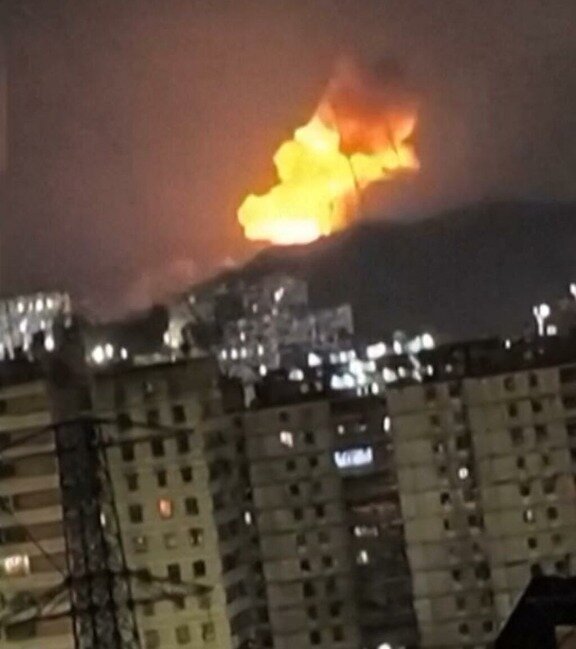
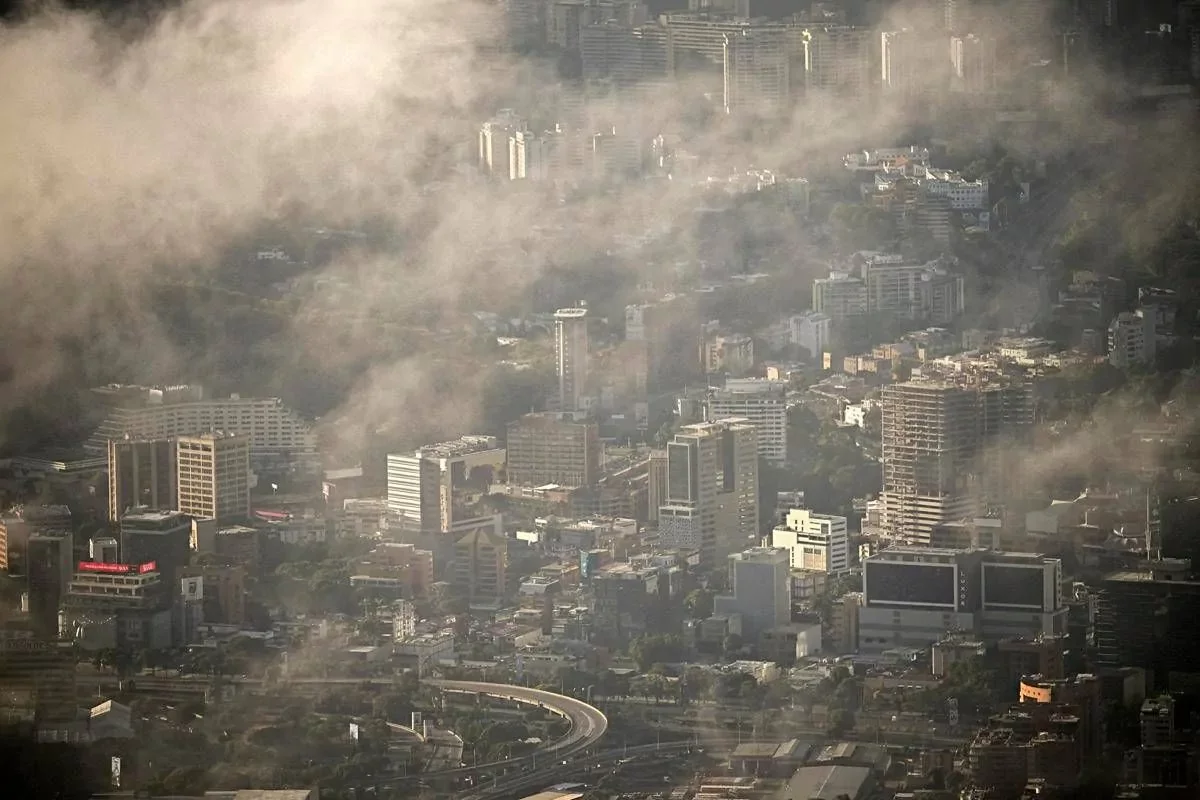
EU/ENG - The capture of Venezuelan President Nicolás Maduro by US forces in Caracas, announced by US President Trump after a "major attack" against Venezuela, with explosions that struck the Venezuelan capital on the night of Saturday, January 3, has sparked a wave of international reaction.


EU leaders: “Respect international law” 

EU Commission President Ursula von der Leyen reiterated her support for "a peaceful and democratic transition" in accordance with the UN Charter. European Council President Costa called for "de-escalation and a resolution based on the framework of international law," reiterating that "the EU will continue to support a peaceful, democratic, and inclusive solution in Venezuela."

High Representative Kaja Kallas called for "restraint and respect for international law" after a meeting with US Secretary of State Marco Rubio.

EU leaders are de facto aligned with the United Nations, with Secretary-General António Guterres expressing grave concern and calling on all parties to engage in an "inclusive dialogue" in compliance with human rights and the rule of law.


From European capitals: caution, calls for moderation and mediation

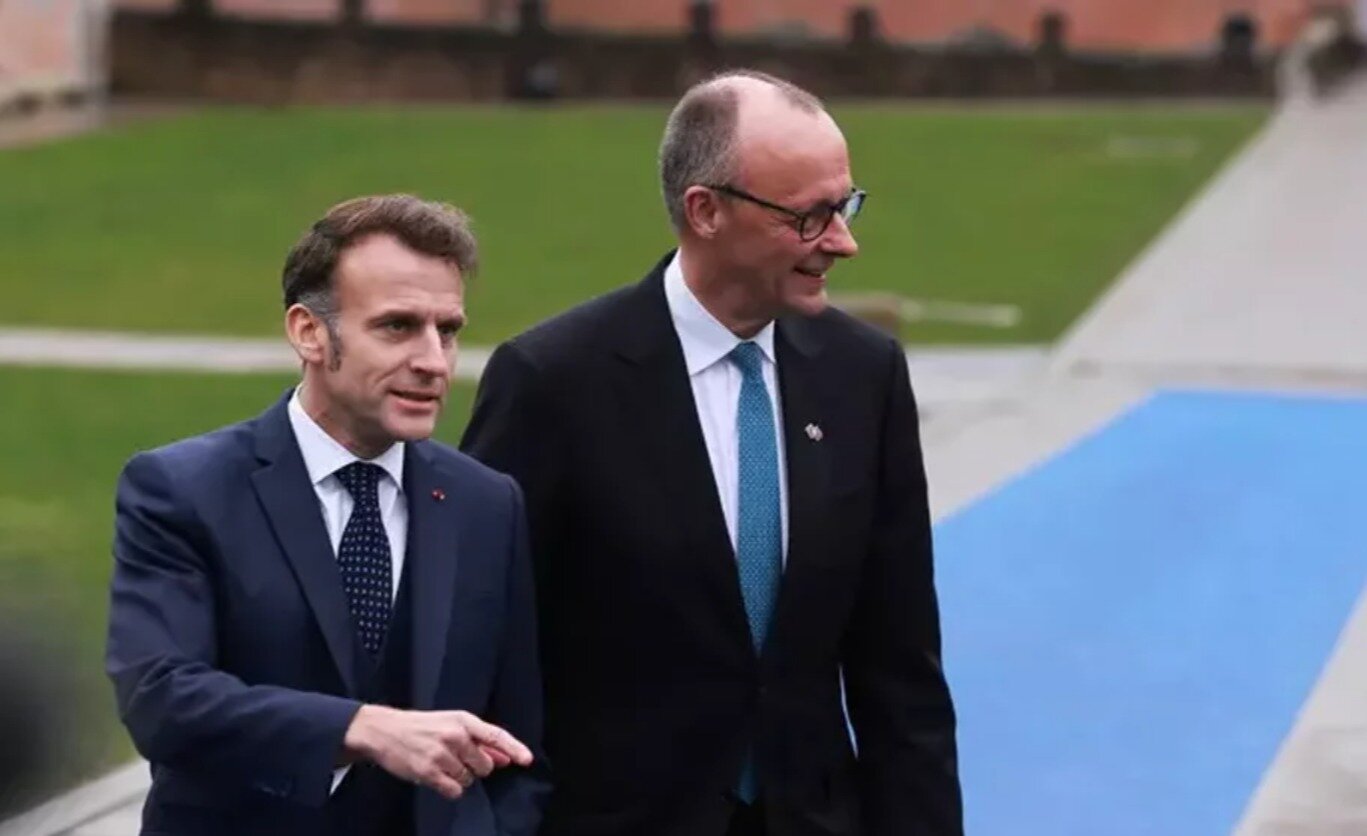
Caution prevails in Europe. Germany expressed "grave concern" about the still unclear situation. France denounced a military operation that "contravenes the principle of non-recourse to force," recalling that "no lasting political solution can be imposed from outside." Italy is closely monitoring the crisis. Spain has offered its willingness to play a mediation role, calling for de-escalation and dialogue, while Poland warned that an attack of this magnitude "will have global consequences."

The United Kingdom emphasized that it did not participate in the operation, reiterating its obligation to respect international law.
venezuela-3-genn-2026.webp

 EU/ITA - La cattura a Caracas del presidente venezuelano Nicolás Maduro da parte delle forze statunitensi, annunciata dal presidente americano Donald Trump dopo una “attacco di grande portata” contro il Venezuela, con esplosioni che nella notte di sabato 3 gennaio hanno colpito Caracas ha suscitato una vasta ondata di reazioni internazionali.

I vertici UE: "rispettare il diritto internazionale"

La presidente della Commissione Ursula von der Leyen ha ribadito il sostegno a “una transizione pacifica e democratica”, nel rispetto della Carta dell’Onu.Il presidente del Consiglio europeo Costa ha chiesto “una de-escalation e una risoluzione basata sul quadro del diritto internazionale” ribadendo che “l'UE continuerà a sostenere una soluzione pacifica, democratica e inclusiva in Venezuela”.

L’Alta rappresentante Kaja Kallas ha chiesto “moderazione e rispetto del diritto internazionale” dopo un colloquio con il segretario di Stato americano Marco Rubio. 

I vertici UE sono de facto sulla stessa linea delle Nazioni Unite con il segretario generale António Guterres che ha espresso forte preoccupazione, invitando tutte le parti a un “dialogo inclusivo”, nel rispetto dei diritti umani e dello Stato di diritto.

Dalle capitali europee: cautela, appelli alla moderazione e mediazione 

Nel Vecchio Continente prevale la prudenza. La Germania ha espresso “grande preoccupazione” per una situazione ancora poco chiara, La Francia ha denunciato un’operazione militare che “contravviene al principio di non ricorso alla forza”, ricordando che “nessuna soluzione politica duratura può essere imposta dall’esterno”. L’Italia segue da vicino l’evolversi della crisi. La Spagna ha offerto la propria disponibilità a svolgere un ruolo di mediazione, invocando de-escalation e dialogo, mentre la Polonia ha avvertito che un attacco di questa portata “avrà conseguenze globali”.

Il Regno Unito ha sottolineato di non aver preso parte all’operazione, ribadendo l’obbligo di rispettare il diritto internazionale.


Analisti associati @europolitiche.it*
*This contribution is not a journalistic article but an analytical brief - Questo contributo non è un articolo giornalistico ma un brief analitico


facebook
instagram
twitter
linkedin
whatsapp
X

WEBSITE CREATED BY Q DIGITALY

©2021-2025 di Europolitiche.it