


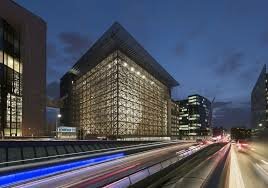
EU/ENG - The 27 European leaders discussed a wide range of issues during the two-day European Council in Brussels: from the war in Ukraine to common defense, from competitiveness to the fight against climate change.
On the political front, the decisions and, so far, some of the rumored commitments made in Brussels have had multiple implications.
Regarding Russia's aggressive war against Ukraine, the Europeans confirmed their solid economic support and military supplies, combined with yet another package of sanctions against Moscow, proving that political negotiations have, as always, intertwined with more economic ones. The European Union, under the new administration in Washington, has long been unable to avoid being sidelined from the dynamics of US negotiations with Putin, who has meanwhile responded to the news of President Trump's sanctions against his multinational oil companies. In this context, the €140 billion in Russian assets in Europe, which had initially been planned to be used to support Kiev, have remained frozen.
On the Middle East issue, the 27 have largely kept a low profile while demanding greater involvement in the unfolding of events following the Trump-imposed "peace" of recent days.
On competitiveness and climate, if not a change of scenery, he has adopted a more pragmatic approach, reflecting the more fluid balance between the European Parliament's groups.
From the conclusions, commented on by various key figures, from von der Leyen to the European Parliament President Costa, European leaders nevertheless reaffirmed their commitment to the Paris Agreement and "agreed on the need to be pragmatic and flexible in our strategy, to ensure that Europe's climate ambitions and the competitiveness" of its economy and industries are met. What is certain is that the opposition of many governments to the Green Deal is having an impact on the balance of power within the European Council. It's no coincidence that, "looking to 2040," the October Council outlined a path to achieving the climate goals. Costa, acting as a mediator between often distant leaders, stated: "ensuring that the transition is fair and accessible for citizens and businesses; supporting the modernization and decarbonization of our industries; and following the principle of technological neutrality." The Council statement significantly states that it wants to achieve the "objectives in the most cost-effective way; and ensuring that the transition contributes to a strong European industrial base."
The Council in Brussels also discussed the prospective housing plan being prepared by the European Commission, considering that the affordability and accessibility of housing is one of the most pressing practical issues for millions of Europeans. While competences in this area remain at the national, regional, and local levels, European leaders agreed on a driving force for the European Plan for Affordable Housing.
EU/ITA - I 27 leader europei si sono confrontati nella due giorni di Consiglio europeo a Bruxelles su molti dossier: dalla guerra in Ucraina alla difesa comune, dalla competitività fino alla lotta ai cambiamenti climatici.
Sul fronte politico molteplici sono i risvolti delle decisioni e, per ora, di alcuni ventilati impegni presi a Bruxelles.
Sulla guerra d'aggressione russa all'Ucraina, gli europei confermano il solido sostegno economico e di forniture militari, unito all'ennesimo pacchetto di sanzioni a Mosca, a riprova che .i negoziati politici hanno come sempre interrelato quelli di natura più economica. L'Unione europea non riesce ad evitare da tempo con la nuova amministrazione a Washington di restare emarginata dalle dinamiche del negoziato statunitense con Putin che intanto ha replicato alla notizia delle sanzioni annunciate dal Presidente Trump contro le sue multinazionali petrolifere. In questo contesto, sono rimasti congelati i 140 miliardi di asset russi in Europa che si era pensato in un primo tempo di utilizzare per sostenere Kiev.
Sul dossier mediorientale i 27 hanno sostanzialmente tenuto un profilo basso pur rivendicando un maggiore coinvolgimento nello svolgersi degli eventi che seguono la “pace” trumpiana imposta negli scorsi giorni.
Su competitività e clima ha riservato se non un cambio di scenario, un approccio più pragmatico che è poi il riflesso di equilibri più fluidi tra i gruppi del Parlamento europeo.
Dalle conclusioni, commentate dai vai protagonisti, dalla Von der Leyen al Presidente del consesso Costa, i leader europei hanno comunque ribadito l'impegno nei confronti dell’Accordo di Parigi e “concordato sulla necessità di essere pragmatici e flessibili nella nostra strategia, per garantire che le ambizioni climatiche dell’Europa e la competitività” di economia e industrie. Di certo c'è che a contrarietà di numerosi governi verso il Green Deal ha un suo peso negli equilibri in Consiglio europeo. Non a caso “guardando al 2040" il Consiglio di ottobre definisce un percorso per raggiungere i obiettivi climatici sui quali Costa dichiara con postura da mediatore tra leader spesso distanti: "assicurando che la transizione sia giusta e accessibile per cittadini e imprese; sostenendo la modernizzazione e la decarbonizzazione delle nostre industrie; seguendo il principio di neutralità tecnologica. Il comunicato del Consiglio dice significativamente di voler raggiungere gli "obiettivi nel modo più efficiente in termini di costi; e garantendo che la transizione contribuisca a una solida base industriale europea”.
Nel Consiglio a Bruxelles è stata anche discussa la prospettiva del piano casa che sta preparando la Commissione europea, considerando che l’accessibilità e il costo degli alloggi è una tra le questioni concrete più urgenti per milioni di europei. Sebbene in questo ambito le competenze rimangano a livello nazionale, regionale e locale, i leader europei hanno concordato un indirizzo propulsivo per sul dossier del Piano europeo per l’edilizia abitativa a prezzi accessibili.
Inviati associati @europolitiche.it *
* This contribution is not a journalistic article but an analytical brief - Questo contributo non è un articolo giornalistico ma un brief analitico