


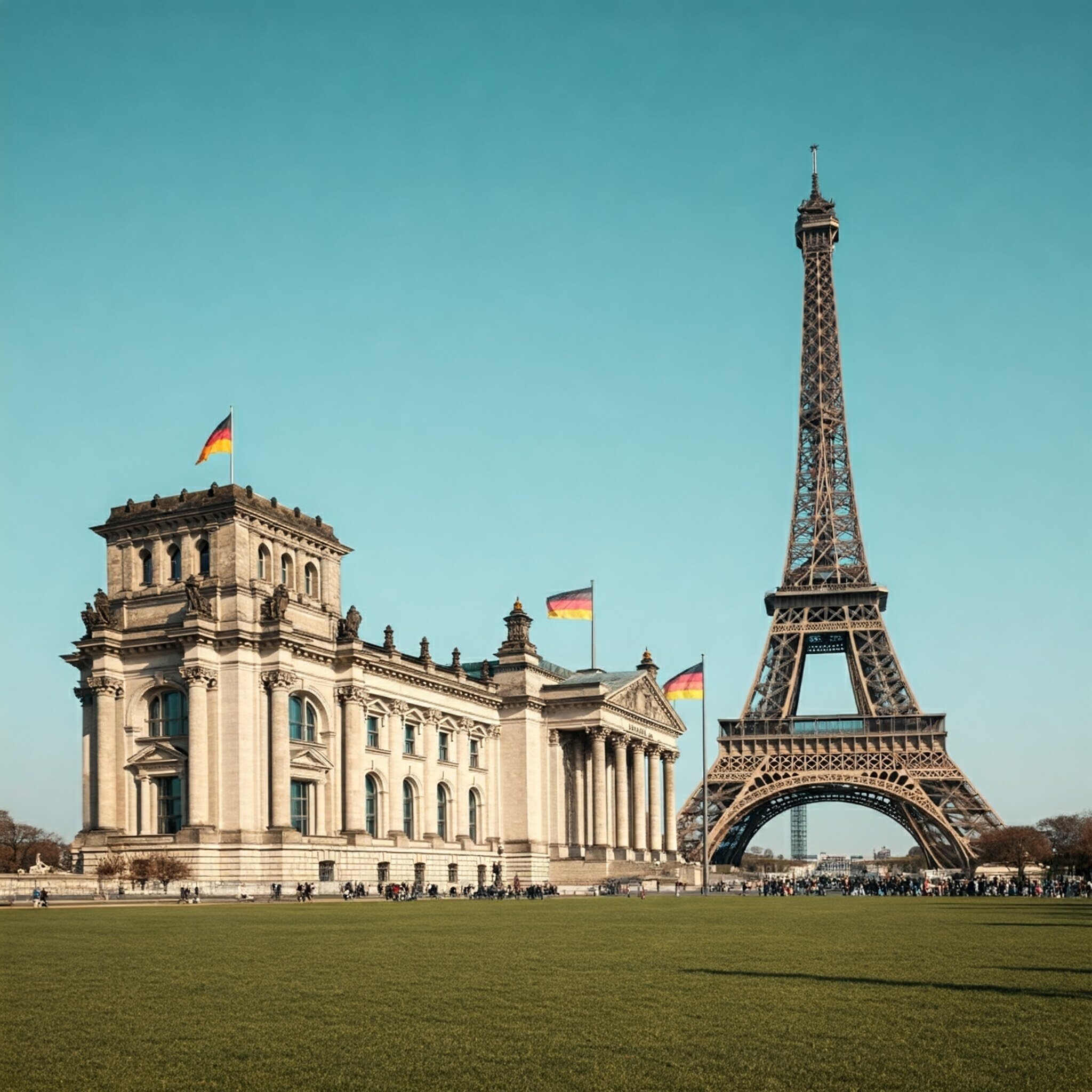
EU/ENG - In February 2026, there are divergences in the debate among the leaders of the European Union and in the balance of power between countries. This divergence is reflected in the European Commission's cautious implementation of national demands.
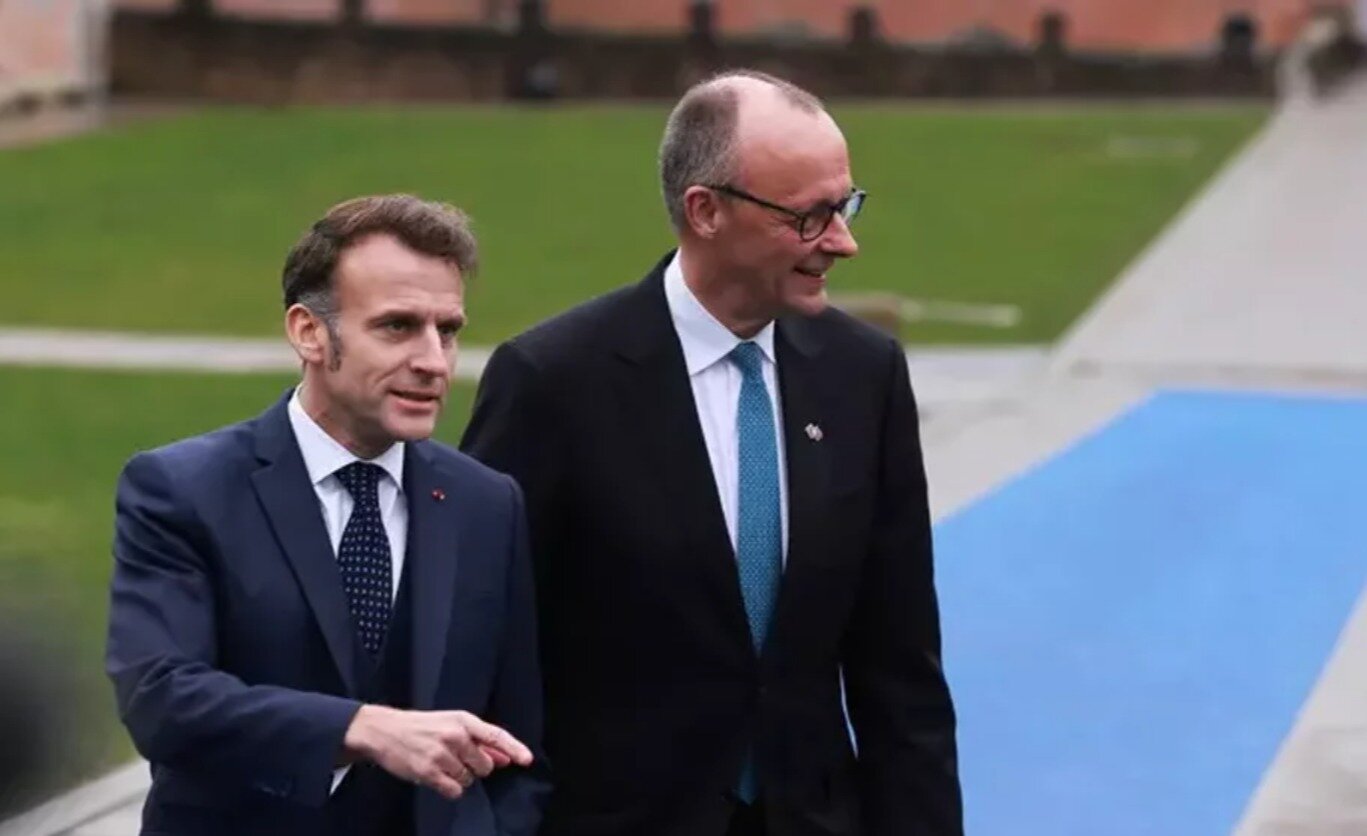
The ongoing movements and challenges are dynamic and accelerated by the differing perspectives of France and Germany, the EU's leading duo. Macron and Merz, united by their resistance to Trump's exuberance, are almost opposites on some fronts.
There are three reasons for the misunderstanding. The first concerns Euro-Atlanticism and its fate. The second concerns the use or otherwise of common debt. The third is the EU's openness and trade defense.
But on some issues, the Franco-German understanding remains solid. First, the cooperative revitalization of industrial and production systems. Second, the strengthening of European autonomous production of military supplies, digital services, and financial services, thanks to the upcoming launch of the digital euro.
Emmanuel Macron is facing a turmoil in France. He has taken positions on three fronts, aiming to present himself to the French as attentive to the country's interests. First, he is the European Union leader furthest from Trump. Second, he favors financing European growth with common debt. And third, he opposes one of the Commission's two free trade agreements. Macron views the Mercosur agreement as dangerous for French agricultural production and applauded the European Parliament's referral of the pending case to the European Court of Justice.
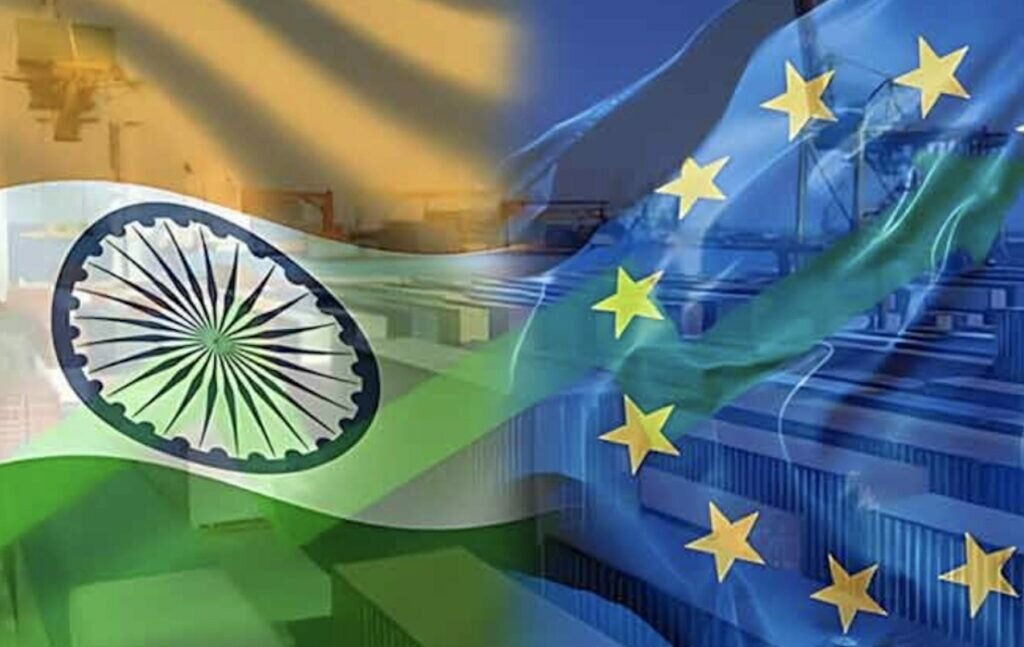
Compared to France, Germany, led by Frederic Merz, is maintaining a lower profile with the US administration. It remains opposed to creating a common sovereign debt and supports the Commission's efforts to open up European manufactured goods, largely German, to new markets in India and South America to offset the decline in exports to the United States, where EU exports are burdened by tariffs imposed by Trump.
The recent rapprochement between Germany and Italy must be interpreted as ensuring that France follows the proposal for enhanced cooperation. Enhanced cooperation (Article 20 of the Treaty on European Union and Title III of the Treaty on the Functioning of the EU) is a procedure where a minimum of 9 EU Member States are allowed to set up advanced integration or cooperation in a particular field within the EU.
Germany is rallying a number of countries that are converging on adopting enhanced cooperation on areas that do not penalize Berlin too much, ensure the Italian government's return to control of European policies, and allow Macron to adopt the European brisk pace he wants to demonstrate to the French.
EU/ITA - Si sta animando a febbraio un confronto serrato e di vertice tra i leader degli Stati dell'Unione europea e negli equilibri tra i Paesi. Questo confronto si riflette nella postura di guida o di raccolta delle istanze nazionali della Commissione europea.
Impressionano per un verso e fa piacere per un altro, la dinamicità e la velocizzazione di movimenti e sfide in atto. In premessa, è evidente una distanza tra le ultime direzioni che stanno prendendo i grandi Paesi fondatori, e in particolare il Presidente Macron e il cancelliere Merz. Affiorano in superficie tracce carsiche di alcuni orientamenti di cultura politica ed economica riflessa nelle politiche e negli strumenti da adottare.
Tre i temi dirimenti: il primo verte sull'euroatlantismo e il suo destino . Il secondo riguarda l'uso o meno del debito comune. Il terzo l'apertura e la difesa commerciale dell'UE.
E due quelli più coesivi: il primo riguarda l'esigenza del rilancio industriale e produttivo europeo. Il secondo, di portata enorme, la crescita dell'autonomia strategica militare e digitale dell'Unione.
Emmanuel Macron ha su tre temi dirimenti tre urgenze contingenti in Francia che lo vedono esporsi nel confronto europeo con una postura di distanza assertiva dal trumpismo, favorevole al finanziamento con debito comune della crescita europea e sfavorevole ad una apertura libero-scambista spregiudicata, insidiosa per le produzioni agricole francesi, e che ha generato il clamoroso No al Mercosur, ora sospeso.
Frederic Merz sta usando un profilo più basso per la sua Germania di quello francese nei confronti dell'amministrazione americana, resta contrario a fare debito sovrano comune e intende rafforzare l'apertura commerciale europea verso nuovi mercati, aree regionali o grandi Paesi in giro per il Pianeta. Merz e con lui, l'intero apparato produttivo tedesco, vuole sicuramente dare nuovi sbocchi all'export dei manufatti tedeschi, in grado di compensare la minore penetrazione del Made in Germany negli Stati Uniti, a causa dei dazi imposti dall'attuale amministrazione di Washington.
La semplificazione dei profili adottati non rende giustizia delle narrazioni in gioco tra le capitali dei due Paesi europei ma rende l'idea di come siano in campo anche visioni strategiche per l'UE meno lontane come il rilancio del sistema industriale e produttivo, sul quale i governi francesi e tedeschi concordano in chiave cooperativa a partire dalla pandemia in poi. Vedute omogenee tra Parigi e Berlino anche sull'esigenza di rafforzare produzioni autonome europee di asset di fornitura militare e digitale estendibile con il comune sostegno alla Bce impegnata nel lancio dell'euro digitale.
Il recente avvicinamento di Germania e Italia va letto nella chiave di assicurarsi che la Francia segua la proposta di cooperazioni rafforzate su fronti che non penalizzino Berlino, assicurino al governo italiano il rientro nel fronte di comando delle politiche europee e facciano dare a Macron quel passo veloce europeo che vuole mostrare ai francesi.
Antonio De Chiara @europolitiche.it*
This contribution is not a journalistic article but an analytical brief - Questo contributo non è un articolo giornalistico ma un brief analitico