


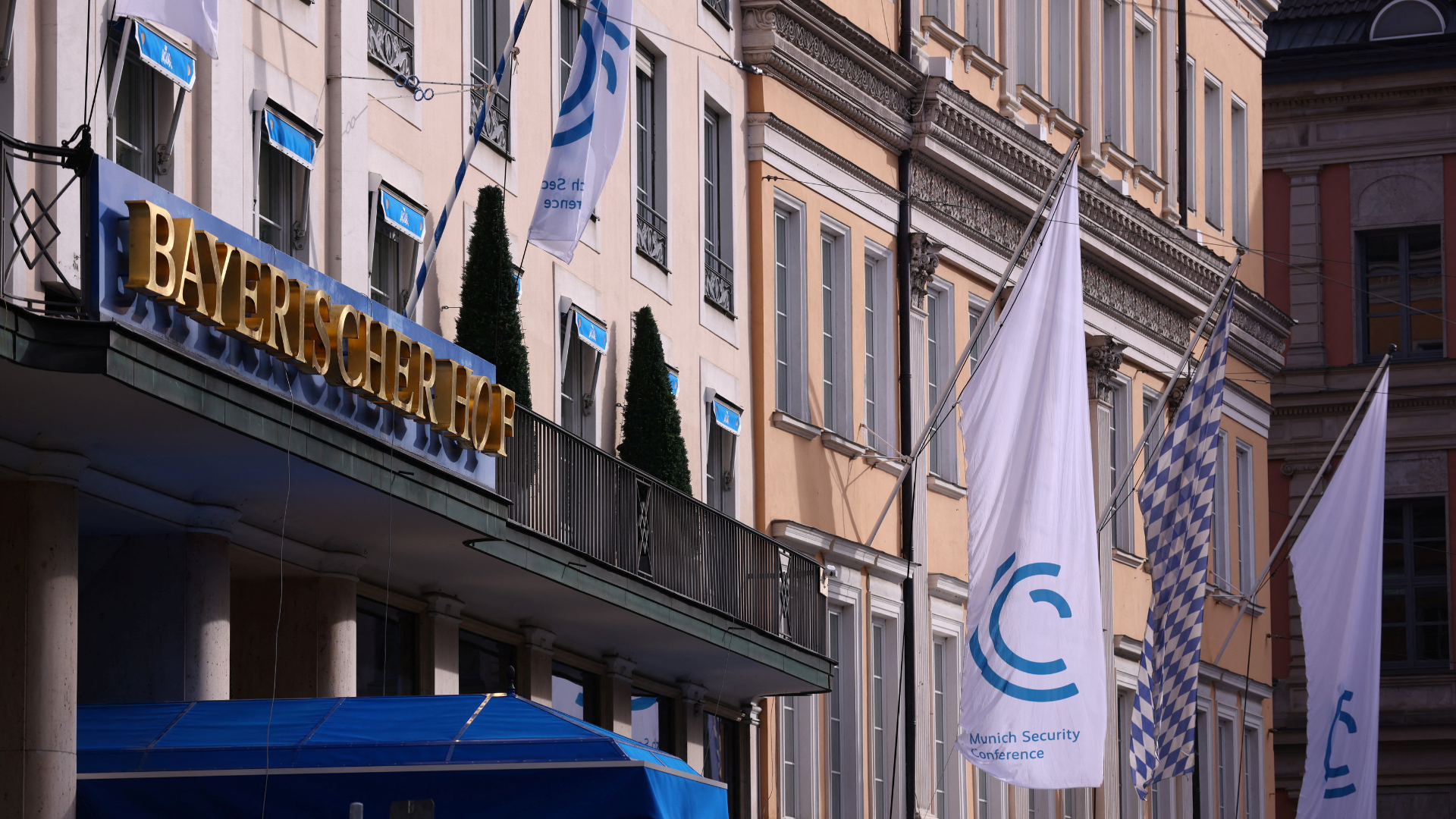
EU/ENG - The 62nd Munich Security Conference took place from February 13 to 15, with the participation of 65 heads of state and government and 450 representatives from politics, science, and the defense industry. Among the main topics of the conference, chaired by German Chancellor Merz, were European security, the Middle East crisis, and Iran.
Marco Rubio's speech was highly anticipated. Unlike Vance in 2025, the US Secretary of State maintained a moderate tone with respect to the European leaders present. He emphasized that the United States "is not seeking to divide, but to revitalize an ancient friendship," stating that he does not want "allies to rationalize the status quo in crisis, rather than reckon with what is needed to resolve it." The United States wants "a reinvigorated alliance that recognizes that what has plagued our societies is not just a set of bad policies, but a malaise of desperation and complacency."
Friedrich Merz's speech preceded it. The German chancellor, however, surprised with his harsh views on the destabilization of the international order, which he said was caused by power politics reminiscent of the crude and imperialist ones of the past. The special transatlantic relationship, which Merz famously always favored during his long stint in the CDU, has suffered as a result. As chancellor in the Trump era, Merz now feels the urgency of a new role for Germany, driving the advancement of true European strategic autonomy. And in Munich, he even emphasized that Germany is still engaged in a massive rearmament effort.
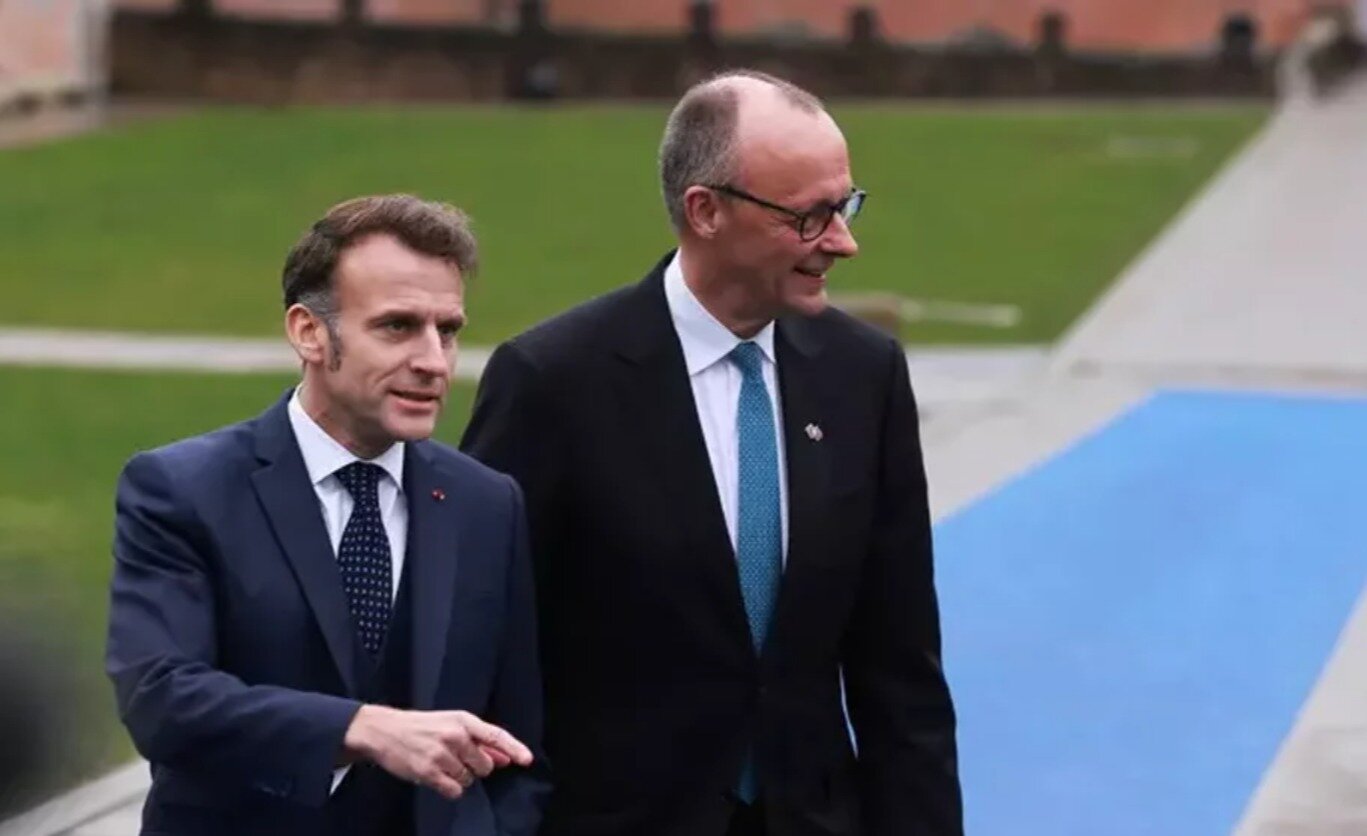
At the Conference, French President Emmanuel Macron, for his part, once again urged Europe to play a strong role in the new scenarios. Consistent with this desired stance, he said: "Europe is rearming, but now we must go further. Europe must learn to become a geopolitical power. It wasn't part of our DNA. We saw ourselves as a political construct to guarantee peace. We succeeded. Secondly, a single market to guarantee growth and prosperity. We succeeded." He continued, even more assertively: "Now we must reform it in this new order. In this new geopolitical context, Europe must become a geopolitical power."
Beyond the forceful tone of Merz and Macron, the reactions to the US Secretary of State's report were moderately appreciative and very different from the alarmed ones of 2025, when the American vice president arrived at the Conference, cajoling the European Union and the European leaders in contemptuous tones. And Zelensky addressed Europeans in his speech, acknowledging the European Union's role as a major supporter and expressing his regret at the EU's exclusion from negotiations, which see it solely between the US and Russia.
EU/ITA - La 62ma edizione della Conferenza sulla sicurezza di Monaco si è svolta dal 13 al 15 febbraio con la partecipazione di 65 capi di Stato e di governo e 450 rappresentanti della politica, della scienza e dell'industria della difesa. Tra i temi principali della Conferenza presieduta dal cancelliere tedesco Merz, figuravano la sicurezza europea, la crisi in Medio oriente e l'Iran.
Era molto atteso l'intervento di Marco Rubio. A differenza di Vance nel 2025, Il segretario di Stato Usa ha improntato alla moderazione i suoi toni rispetto ai leader europei presenti. Ha sottolineato che gli Stati Uniti “non cercano di dividere, ma di rivitalizzare un'antica amicizia” affermando di non volere “che gli alleati razionalizzino lo status quo in crisi, piuttosto che fare i conti con ciò che è necessario per risolverlo”. Gli Stati Uniti vogliono “un'alleanza rinvigorita che riconosca che ciò che ha afflitto le nostre società non è solo un insieme di cattive politiche, ma un malessere di disperazione e autocompiacimento”.
Lo aveva preceduto, l'intervento di Friedrich Merz. Il cancelliere tedesco ha invece sorpreso per le sue opinioni dure sulla destabilizzazione dell'ordine internazionale, a suo dire, ad opera di politiche di potenza che ricordano quelle rudi ed imperialiste del passato. A farne le spese, la speciale relazione transatlantica, alla quale notoriamente Merz nella sua lunga militanza nella Cdu, ha sempre guardato con favore. Nelle vesti di cancelliere dell'era Trump, Merz sente però ora l'urgenza di un nuovo ruolo propulsivo della Germania verso una vera autonomia strategica europea. E a Monaco ha persino sottolineato che la Germania è comunque impegnata in un poderoso riarmo.
Alla Conferenza, il presidente francese Emmanuel Macron ha, da parte sua, esortato, ancora una volta, l'Europa ad avere un ruolo forte nei nuovi scenari e coerentemente con questa auspicata postura, ha detto: “L'Europa si sta riarmando, ma ora dobbiamo andare oltre. L'Europa deve imparare a diventare una potenza geopolitica. Non faceva parte del nostro DNA. Ci consideravamo una costruzione politica per garantire la pace. Ci siamo riusciti. In secondo luogo, un mercato unico per garantire crescita e prosperità. Ci siamo riusciti” e ha continuato, ancora più assertivo: "Ora dobbiamo riformarlo in questo nuovo ordine. In questo nuovo contesto geopolitico, l'Europa deve diventare una potenza geopolitica".
Oltre i toni decisi di Merz e Macron, le reazioni alla relazione del segretario di Stato Usa sono state di moderato apprezzamento e molto diverse dalle stesse allarmate del 2025 quando alla Conferenza arrivò il vicepresidente americano blandendo con toni sprezzanti l'Unione e la compagine di Stati europea. E agli europei si è rivolto Zelensky nel suo intervento, riconoscendo all'Unione europea un ruolo di grande sostegno nella resistenza all'aggressione di Mosca ed esprimendo il suo rammarico per l'esclusione dell'Ue dai negoziati che vedono l'Ucraina sola tra Usa e Russia.
Inviati associati @europolitiche.it