

facebook
instagram
twitter
linkedin
X
europolitiche

Sign up now to

europolitiche3

Newsletter

europolitiche

Cross-media in Italian on the policies of European institutions and governments of European Union countries

Cross-media in Italian on the policies of European institutions and governments of European Union countries

Europolitiche lancia "Discovering the Balkans", il nuovo progetto finanziato Erasmus+Candidati nella redazione giovanile di Europolitiche all'Europa Project Week!Collina d'Europa: aiutaci a far crescere la nuova bibioteca / Help us build our new libraryIceland Puts the Brakes on Europe, but Its Cities Choose Pro-European PragmatismThe Kiev Summit and the Coalition of the Willing in Support of UkraineL'Europa in viaggio. Storia di ponti e di muri. Recensione del libro di Marco MagnoneA Conceptual Map of Current EU Enlargement ResearchWhy Adult Education Is Strategic for EuropeEmpowering Europe’s Youth: Demographic Shifts, Social Rights, and the Future of WorkThermal Stress and the Body Politic: Labor Protection, Social Cleavages, and the Future of European CitizenshipEU Social Pillar Toward 2030: AI, Cost of Living, and Job GuaranteesTaming the Algorithm: How the AI Act’s New Rules Test the Limits of European DemocracyJuly Flash Inflation Rises to 2.9% in the EurozoneThe Night of Ceuta and the Labyrinth of Borders: When Humanity Questions Spain and EUMigrant Inclusion: Erasmus+ Youth Seminar Held in StrasbourgMerz Eyes Fresh Impulsion for Government with Late-July ReshuffleThe New Burnham Government: A Political Analysis of "Place-Based" Social DemocracyEurozone Monetary Policy: ECB Freezes Rates Pending Fall Energy ImpactEurostat: Eurozone Inflation Moderates to 2.8% in June. Keeping the ECB in the SpotlightMacron and Merz: Realignment at the 26th Franco-German CouncilThe Ascent of Andy Burnham: From Manchester to Downing StreetThe Eurogroup presented its work programme through the first half of next yearEuropean Parliament Backs Digital Euro: 416 Votes in Favor Secure the Path to 2029 ImplementationThe Florence Report: Buti, Corsetti, Peychev Reconfiguring EU in a Fractured Global WorldThe Strategic Shift: Why the June 18th Declaration Redefines European Cultural PolicyVoices of Vision: Lessons from the Founders of EuropeThe Parliamentary Mandate as Compass: Embedding Expertise in European Strategic GovernanceThe NATO Alliance’s Shifting Center of Gravity: Perspectives on the Ankara SummitThe Custodian’s Mandate: Dublin’s Strategic Course for the UnionLa France, Paris et Emmanuel Grégoire: trois mois de mandat sous le signe de la continuité évolutiveInternational Erasmus+ Seminar in Tunisia: Building Partnerships for Stronger Youth ParticipationThe Digital Euro at a Crossroads: Assessing the ECON Committee’s Roadmap to 2029The Institutional Architecture of European Political Science: A Comparative StudyThe European Political Periodical: A Metamorphosis in the Digital AgeAntibes, 25 juin: L'Italie et la France au sommet sous l'égide du Traité du Quirinale
europolitiche

Conflict in Ukraine: obstacles remain for negotiations

03-12-2025 16:26

Europolitiche

Europolitiche, Macro/Scenari, unione-europea, unione-europea-commissione, zelensky, conflitto-russo-ucraino, vlodomir-zelensky, ukraine, ecb-bce, russia-ucraina, volenterosi-europei, caoitali-europee, macron-e-starmer, willing-europeans,

Conflict in Ukraine: obstacles remain for negotiations

Di fronte ai no di Putin europei confermano sostegno economico a Kiev. Si pensa a prestito garantito con sblocco di asset finanziari russi nell'UE

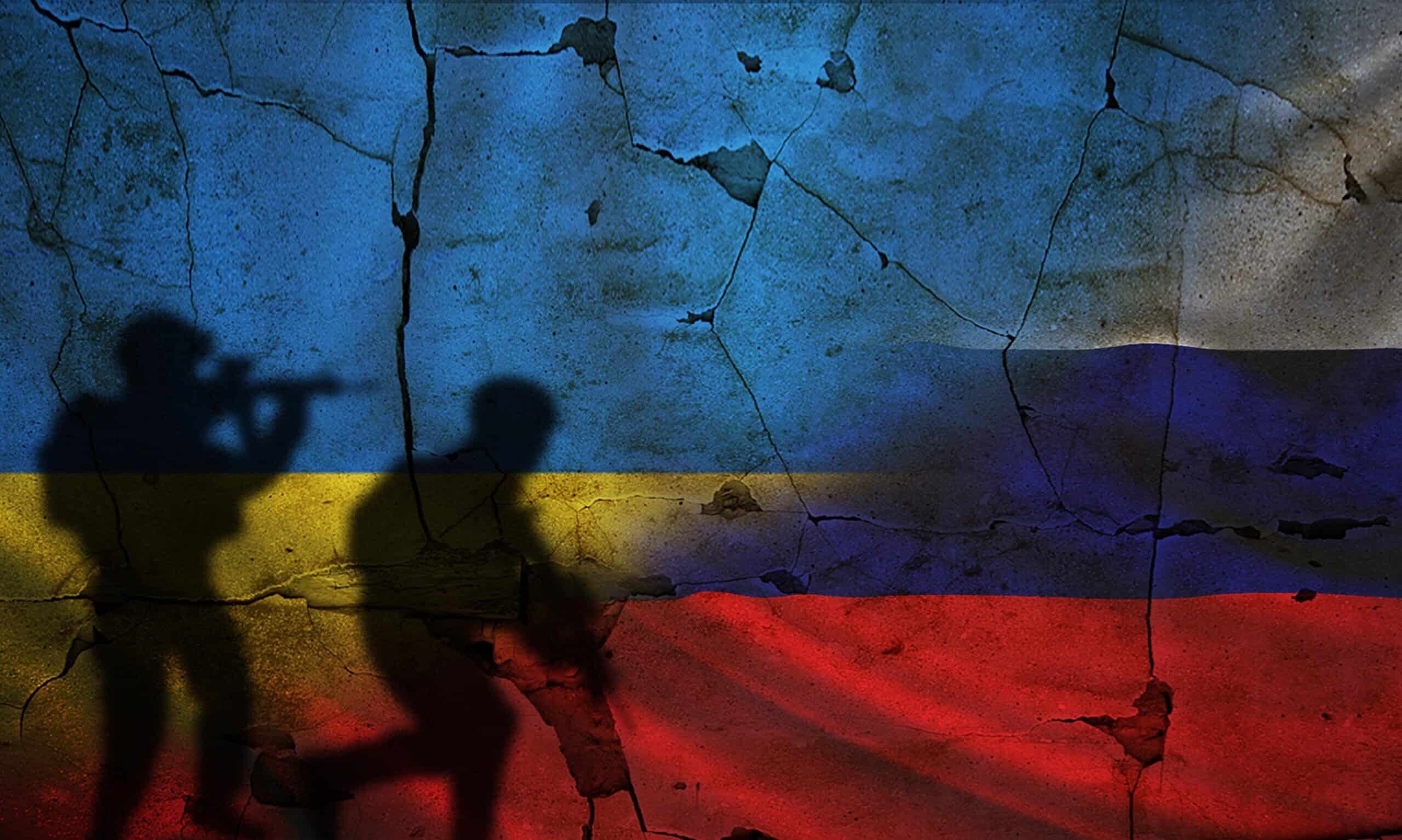
EU/ENG - Negotiations to end hostilities on Ukraine's eastern borders, promoted by the Trump administration, are in a complicated phase. The European Union intervened to mitigate the negative effects on the future of the country, which has been under Russian attack since February 2022.

In these days between late November and early December 2025, US emissaries in Russia failed to negotiate favorably with Putin based on the 19 points proposed to end the conflict. The Kremlin, after an openness to the first version of the Trump plan, which contained 29 points that were highly unfavorable to Kiev, is de facto rejecting the reduced 19-point version, which is less biased in favor of Russia, thanks to the European diplomatic initiative at the negotiating tables in Geneva.

Moscow has expressed displeasure at the prospect floated by Brussels leaders and some European capitals of using Russian financial assets to finance further support for Ukraine. These assets, reportedly amounting to as much as €140 billion, are largely held in Belgian banks. Speaking in the debate on the release of these assets, European Central Bank President Lagarde expressed great caution regarding the necessary guarantees to be provided.

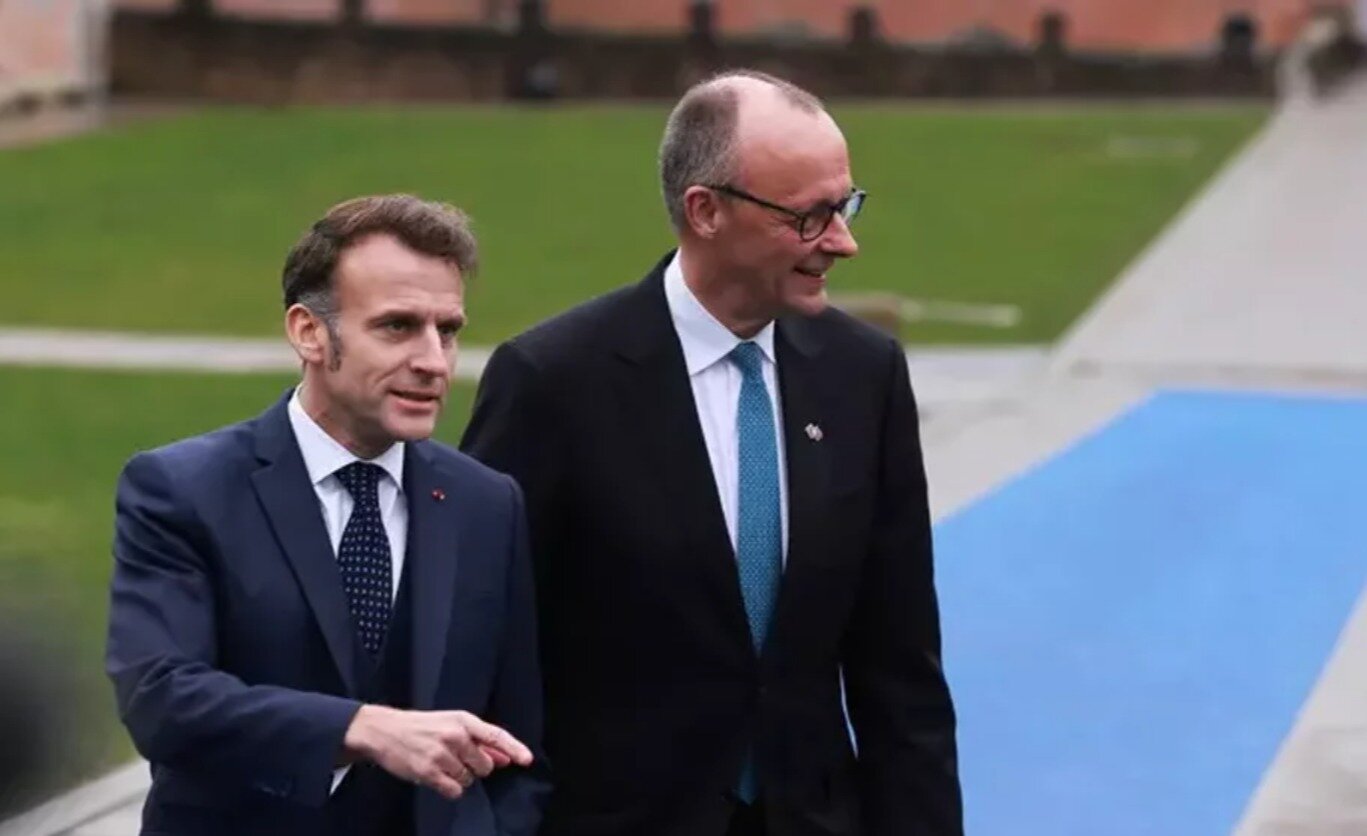
Amid the chaos of propaganda and uncertain negotiations, Vladimir Putin went so far as to declare that he would not rule out waging war against the European Union if it considered direct military intervention in Ukraine. This option, however, has not been considered, except for some suggestions of a peacekeeping force advanced in the recent past by the so-called Willing Europeans, with Macron and Starmer being the most determined.


EU/ITA - Sono in una fase complicata le trattative per la fine delle ostilità ai confini orientali dell'Ucraina promosse dall'amministrazione Trump e nel corso delle quali è intervenuta l'Unione europea per mitigare gli effetti negativi sul futuro del Paese aggredito dalla Russia dal febbraio del 2022. 

In questi giorni a cavallo tra la fine di novembre e l'inizio di dicembre del 2025, gli emissari statunitensi in Russia, non sono riusciti a negoziare favorevolmente con Putin sulla base dei 19 punti proposti per chiudere il conflitto. Il Cremlino, dopo una apertura alla prima versione del piano Trump articolata in 29 punti molto sfavorevoli a Kiev, sta de facto respingendo la versione ridotta a 19 punti, meno sbilanciata in favore della Russia,  grazie all'iniziativa diplomatica europea ai tavoli negoziali di Ginevra.

Mosca ha mostrato disappunto per la prospettiva ventilata dai vertici di Bruxelles e da alcune Capitali europee di utilizzare gli asset finanziari russi per finanziare l'ulteriore sostegno all'Ucraina, asset che ammonterebbero ben 140 miliardi di euro, presenti , in gran parte, in banche in Belgio. Su questi asset, la presidente della Banca centrale europea Lagarde ha mostrato grande cautela riguardo le necessarie garanzie da fornire.

Nella congerie di propaganda e negoziati in forse, Vladimir Putin è arrivato a dichiarare di non escludere di muovere guerra con l'Unione europea nel caso pensasse di intervenire in modo militarmente diretto in Ucraina, ipotesi peraltro non in campo, tranne qualche ipotesi di forza di pace d'interposizione avanzata dai cosiddetti Volenterosi europei, con Macron e Starmer più determinati, nel recente passato.  


analisti associati @europolitiche.it*


* This contribution is not a journalistic article but an analytical brief - Questo contributo non è un articolo giornalistico ma un brief analitico

facebook
instagram
twitter
linkedin
whatsapp
X

WEBSITE CREATED BY Q DIGITALY

©2021-2025 di Europolitiche.it